
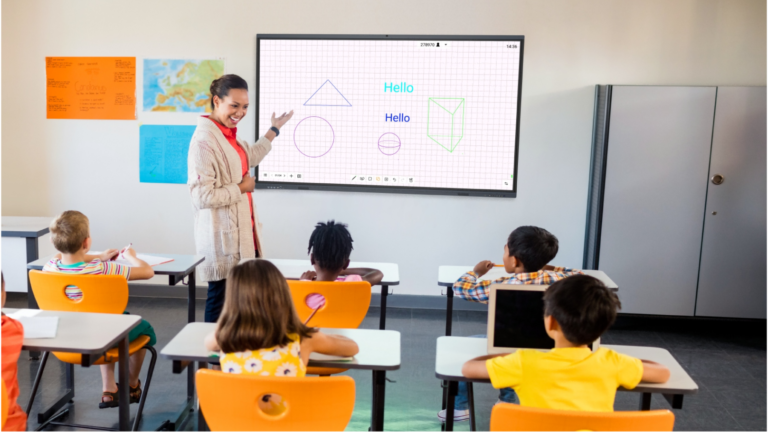
Menciptakan lingkungan pembelajaran interaktif bukan lagi sebuah kemewahan—melainkan sebuah kebutuhan dalam pendidikan modern. Siswa masa kini mengharapkan lebih dari sekadar ceramah pasif; mereka ingin berpartisipasi, berkolaborasi, dan terlibat secara langsung. Ruang kelas interaktif mengubah pengajaran tradisional menjadi pengalaman dinamis di mana siswa secara aktif berkontribusi pada proses pembelajaran. Dengan menggabungkan strategi pengajaran yang efektif dengan teknologi yang tepat—terutama tampilan interaktif—para pendidik dapat secara signifikan meningkatkan perhatian, daya ingat, dan hasil pembelajaran secara keseluruhan. Dari umpan balik secara langsung hingga pemecahan masalah kolaboratif, interaktivitas membantu menjembatani kesenjangan antara teori dan praktik. Dalam panduan ini, kita akan mengeksplorasi apa yang mendefinisikan lingkungan pembelajaran interaktif, mengapa tampilan interaktif memainkan peran penting, dan bagaimana guru dapat secara praktis meningkatkan keterlibatan di ruang kelas mereka.
Apa Itu Lingkungan Pembelajaran Interaktif?
Coba ingat kembali ruang kelas masa kecil Anda. Kemungkinan besar, guru berdiri di depan, menulis di papan tulis yang penuh debu, berbicara terus menerus sementara siswa mendengarkan dengan tenang—setidaknya secara teori. Pada kenyataannya, banyak siswa akan kehilangan fokus, melamun, atau hanya menghafal informasi tanpa benar-benar terlibat. Inilah model tradisional yang berpusat pada guru.
Sebuah lingkungan pembelajaran interaktif, sebaliknya, adalah sebuah model pembelajaran yang berpusat pada siswa dan didorong oleh partisipasiPendekatan ini menggeser fokus dari "pengajaran" ke "pembelajaran," di mana siswa secara aktif mengambil bagian dalam proses tersebut daripada secara pasif menerima informasi. Unsur-unsur intinya meliputi: keterlibatan, kolaborasi, dan umpan balik secara real-timeSebagai contoh, siswa dapat bergabung dalam kuis kelas, permainan interaktif, atau diskusi kelompok, mengubah pelajaran menjadi pengalaman bersama alih-alih komunikasi satu arah.
Perbedaannya jelas: ruang kelas tradisional menekankan penyampaian konten, sedangkan ruang kelas interaktif menekankan keterlibatan dan pemahaman siswaAlih-alih hanya mendengarkan, siswa mengajukan pertanyaan, memecahkan masalah bersama, dan merespons secara langsung apa yang mereka pelajari.
Teknologi memainkan peran kunci dalam memungkinkan pergeseran ini. Alat-alat seperti... tampilan interaktif Berfungsi sebagai pusat multifungsi, memungkinkan guru untuk menggabungkan konten multimedia, anotasi langsung, dan aktivitas kolaboratif di satu tempat. Seiring perkembangan ruang kelas, teknologi ini menjadi penting dalam membangun lingkungan pembelajaran yang menarik, efektif, dan modern.
To better understand how hardware shapes classroom interactivity, a professional multimedia board manufacturer plays a key role in delivering reliable interactive display solutions.
Mengapa Layar Interaktif Sangat Penting untuk Keterlibatan di Kelas?
Pergeseran dari pengajaran pasif ke pembelajaran aktif merupakan inti dari pendidikan modern. Alih-alih hanya mendengarkan ceramah, siswa sekarang didorong untuk berpartisipasi, berinteraksi, dan berpikir kritis selama kelas. Transformasi ini membutuhkan alat yang tepat—dan tampilan interaktif telah menjadi salah satu solusi yang paling efektif.
Layar interaktif menawarkan fitur-fitur canggih seperti: Fungsionalitas multi-sentuh, anotasi waktu nyata, dan berbagi layar nirkabel.Kemampuan ini memungkinkan guru dan siswa untuk berinteraksi langsung dengan konten di layar. Misalnya, layar interaktif Ikinor mendukung alat menggambar cepat, anotasi di layar, dan bahkan mini-game di kelas., sehingga membuat pelajaran lebih dinamis dan menarik. Alih-alih menonton secara pasif, siswa dapat maju ke papan tulis, memecahkan masalah, dan berkolaborasi secara langsung.
Keunggulan utama lainnya adalah integrasi yang mulus dengan ekosistem digital. Dengan Sistem Android bersertifikasi EDLA dari GoogleDengan demikian, layar interaktif dapat mengakses berbagai alat seperti Google Classroom, aplikasi pendidikan, dan konten berbasis cloud secara langsung. Hal ini memungkinkan guru untuk mengelola pelajaran, berbagi materi, dan berinteraksi dengan siswa secara lebih efisien, baik di kelas fisik maupun kelas hybrid.
Manfaatnya jelas: Peningkatan perhatian siswa, peningkatan retensi pengetahuan, dan pengalaman belajar yang lebih inklusif.Layar interaktif membantu mengakomodasi berbagai gaya belajar—visual, auditori, dan kinestetik—memastikan lebih banyak siswa tetap terlibat. Singkatnya, layar interaktif tidak hanya menampilkan konten; tetapi juga mengubah cara siswa belajar dan berpartisipasi.
Contoh Nyata Pembelajaran Interaktif di Kelas
Pembelajaran interaktif bukan hanya sebuah konsep—tetapi sudah mentransformasi ruang kelas di seluruh dunia melalui aplikasi praktis.
Studi Kasus 1: Ruang Kelas Pintar untuk Pemecahan Masalah Kelompok
Di ruang kelas pintar modern, layar interaktif menjadi pusat kolaborasi. Guru menyajikan suatu masalah, dan siswa bekerja dalam kelompok untuk menyelesaikannya langsung di layar. Dengan dukungan multi-sentuh, beberapa siswa dapat menulis, menggambar, dan memberi anotasi secara bersamaan. Pendekatan ini mendorong kerja tim dan pemikiran kritis, mengubah pendengar pasif menjadi peserta aktif.
Kasus 2: Pembelajaran Hibrida dengan Kolaborasi Waktu Nyata
Dalam lingkungan pembelajaran hibrida, di mana sebagian siswa mengikuti pembelajaran jarak jauh, tampilan interaktif menjembatani kesenjangan antara ruang kelas fisik dan virtual. Dengan mengintegrasikan alat dari Google seperti Google Classroom dan aplikasi berbasis cloud, guru dapat berbagi konten, memberikan tugas, dan menerima respons instan. Siswa, baik di kelas maupun daring, dapat berkolaborasi secara real-time, memastikan tidak ada yang tertinggal.
Kasus 3: Pembelajaran yang Digamifikasi dengan Interaksi Berbasis Sentuhan
Gamifikasi adalah aplikasi ampuh lainnya. Guru menggunakan kuis berbasis sentuhan, aplikasi interaktif, dan permainan di kelas untuk membuat pelajaran lebih menarik. Siswa dapat menjawab pertanyaan langsung di layar, berkompetisi dalam tim, dan menerima umpan balik langsung, sehingga pembelajaran menjadi menyenangkan dan efektif.
Hasilnya terukur: tingkat partisipasi yang lebih tinggi, efisiensi pembelajaran yang lebih baik, dan umpan balik siswa yang lebih positif. Pembelajaran interaktif tidak hanya meningkatkan keterlibatan tetapi juga memberikan peningkatan nyata dalam hasil pendidikan.
Bagaimana Guru Dapat Meningkatkan Interaktivitas dalam Pengajaran Sehari-hari
Meningkatkan interaktivitas di kelas tidak memerlukan perombakan total—dimulai dengan perubahan kecil dan disengaja dalam metode pengajaran. Salah satu pendekatan yang efektif adalah dengan menggunakan pertanyaan terbuka dan jajak pendapat langsungAlih-alih mengajukan pertanyaan dengan jawaban tetap, guru dapat mendorong siswa untuk berpikir kritis dan berbagi berbagai perspektif, sehingga membuat kelas menjadi lebih dinamis.
Strategi kunci lainnya adalah mendorong kolaborasi kelompok dan pembelajaran antar teman sebayaDengan mengelompokkan siswa ke dalam tim-tim kecil untuk diskusi atau tugas pemecahan masalah, guru menciptakan peluang untuk partisipasi aktif dan pertukaran pengetahuan. Hal ini tidak hanya meningkatkan keterlibatan tetapi juga membantu siswa belajar dari satu sama lain.
Menggabungkan konten multimedia Hal ini sama pentingnya. Video, simulasi, dan anotasi langsung dapat membuat konsep abstrak lebih visual dan mudah dipahami. Ketika dikombinasikan dengan penjelasan secara langsung, alat-alat ini membantu menjaga perhatian siswa sepanjang pelajaran.
Guru dapat lebih meningkatkan interaktivitas dengan memanfaatkan alat tampilan interaktif seperti papan tulis digital, perbandingan layar terpisah, dan penayangan nirkabel. Fitur-fitur ini memungkinkan transisi yang mulus antara materi pengajaran dan memungkinkan siswa untuk berinteraksi langsung dengan konten.
Terakhir, kemampuan beradaptasi sangat penting. Dengan mengamati respons kelas secara langsung, guru dapat menyesuaikan pendekatan mereka. Misalnya, jika siswa tampak pendiam atau tidak terlibat, memperkenalkan permainan kelas singkat atau aktivitas interaktif dapat segera membangkitkan kembali suasana dan membawa siswa kembali ke proses pembelajaran.
Praktik Terbaik untuk Membangun Ruang Kelas Interaktif yang Berkelanjutan
Membangun ruang kelas interaktif yang berkelanjutan bukan hanya sekadar memperkenalkan perangkat baru—tetapi membutuhkan pendekatan seimbang yang menggabungkan... pedagogi dengan teknologiTeknologi seharusnya mendukung tujuan pengajaran yang jelas, bukan hanya ada untuk kepentingannya sendiri. Ketika pendidik menyelaraskan perangkat digital dengan tujuan pembelajaran, interaktivitas menjadi bermakna dan bukan malah mengganggu.
Memilih perangkat keras dan ekosistem yang tepat Hal ini sama pentingnya. Layar interaktif harus menawarkan kinerja yang andal, pengalaman sentuh yang intuitif, dan opsi konektivitas yang kuat. Sama pentingnya adalah lingkungan perangkat lunak—akses ke platform cloud, aplikasi pendidikan, dan alat kolaborasi memastikan bahwa ruang kelas tetap fleksibel dan siap menghadapi masa depan.
Kesiapan guru memainkan peran utama dalam kesuksesan jangka panjang. Sekolah harus berinvestasi dalam hal ini. pelatihan dan dukungan profesional berkelanjutan Untuk membantu para pendidik memanfaatkan alat-alat ini secara maksimal, merek-merek terkemuka seperti Promethean dan SMART Technologies secara rutin menyelenggarakan konferensi dan lokakarya bagi para pendidik, berbagi praktik terbaik dan memperkenalkan metode pengajaran digital yang inovatif. Inisiatif-inisiatif ini membantu para guru tetap mengikuti perkembangan dan percaya diri dalam menggunakan teknologi interaktif secara efektif.
Pada akhirnya, keberlanjutan bergantung pada peningkatan berkelanjutan. Sekolah harus secara berkala mengevaluasi keterlibatan di kelas.Dengan menggunakan umpan balik dari siswa dan data kinerja untuk menyempurnakan strategi pengajaran. Dengan beradaptasi terhadap kebutuhan yang berubah dan mengoptimalkan baik alat maupun metode, pendidik dapat menciptakan lingkungan pembelajaran interaktif yang tetap efektif, menarik, dan relevan dari waktu ke waktu.



 Indonesian
  English
  Spanish
  Arabic
  French
  German
  Portuguese
  Russian
  Vietnamese
  Thai
Thai  Italian